" height="120.42699999999999px" id="iZGxREo9C" transform="translate(387 134)" width="529.7260119628907px"/><path d="M 144.986 0 C 183.435 0.003 220.31 15.273 247.506 42.453 C 267.981 62.929 281.856 89.066 287.345 117.498 C 287.449 118.032 287.501 118.575 287.501 119.119 C 287.492 123.192 284.604 126.689 280.606 127.467 L 280.607 127.468 C 276.096 128.338 271.676 125.411 270.693 120.948 L 270.648 120.734 C 265.804 95.636 253.555 72.563 235.48 54.489 C 211.477 30.492 178.927 17.009 144.986 17.004 C 74.786 17.004 17.008 74.776 17.003 144.978 L 17.003 240.589 C 17.007 274.535 30.493 307.091 54.494 331.097 C 78.497 355.093 111.046 368.575 144.986 368.582 C 206.065 368.579 259.058 324.859 270.668 264.894 C 271.55 260.31 276.037 257.27 280.621 258.15 C 285.205 259.032 288.246 263.519 287.365 268.104 L 287.365 268.105 C 274.215 336.047 214.188 385.576 144.986 385.585 C 106.534 385.575 69.659 370.296 42.468 343.107 C 15.503 316.135 0.247 279.627 0.003 241.489 L 0 240.589 L 0 144.978 C 0.006 65.439 65.448 0 144.986 0 Z" fill="rgb(173, 13, 166)" height="385.58500000000004px" id="GRA3GEkUn" width="287.51698006256356px"/><path d="M 110.805 0 C 140.19 0.006 168.371 11.681 189.151 32.458 C 209.928 53.238 221.604 81.418 221.61 110.804 L 221.61 206.311 C 221.603 235.696 209.928 263.875 189.151 284.655 C 185.85 287.955 180.431 287.956 177.13 284.656 L 177.129 284.655 C 173.83 281.354 173.83 275.936 177.129 272.635 C 194.716 255.043 204.597 231.187 204.601 206.311 L 204.601 110.804 C 204.598 85.929 194.717 62.073 177.13 44.48 C 159.537 26.893 135.681 17.011 110.805 17.008 C 85.929 17.012 62.073 26.893 44.481 44.48 C 26.894 62.072 17.012 85.928 17.008 110.804 L 17.008 206.31 C 17.012 231.186 26.894 255.042 44.481 272.635 C 47.781 275.936 47.781 281.354 44.481 284.655 C 41.18 287.955 35.761 287.956 32.459 284.656 L 32.459 284.655 C 11.682 263.875 0.007 235.696 0 206.311 L 0 110.804 C 0.006 81.419 11.681 53.238 32.458 32.458 L 33.438 31.491 C 54.134 11.307 81.896 0.007 110.805 0.001 Z" fill="rgb(245, 102, 0)" height="287.13050005681816px" id="C20DhqwR5" transform="translate(34 34)" width="221.61px"/><path d="M 76.914 0 C 97.304 0 116.88 8.11 131.298 22.526 C 145.719 36.953 153.821 56.516 153.823 76.914 L 153.823 172.453 L 153.818 173.408 C 153.577 193.488 145.495 212.678 131.298 226.88 C 116.872 241.3 97.311 249.403 76.914 249.406 C 56.509 249.394 36.945 241.276 22.525 226.84 C 8.104 212.413 0.002 192.851 0 172.453 L 0 76.914 C 0.002 56.516 8.104 36.953 22.525 22.527 C 36.951 8.105 56.515 0.002 76.914 0 Z M 76.914 17.018 C 61.025 17.021 45.788 23.334 34.552 34.568 C 23.318 45.804 17.006 61.041 17.003 76.929 L 17.003 172.491 C 17.006 188.38 23.318 203.617 34.552 214.854 C 45.788 226.087 61.025 232.399 76.913 232.402 C 92.805 232.388 108.042 226.063 119.271 214.817 L 119.272 214.816 C 130.506 203.579 136.817 188.342 136.82 172.453 L 136.82 76.914 C 136.815 61.031 130.505 45.8 119.276 34.568 C 108.04 23.334 92.803 17.021 76.914 17.018 Z" fill="rgb(252, 201, 23)" height="249.40600000000003px" id="YA9ALQ9Wx" transform="translate(68 68)" width="153.82300000000004px"/><path d="M 42.698 0 C 54.022 0.002 64.881 4.501 72.889 12.507 C 80.895 20.515 85.393 31.374 85.395 42.698 L 85.395 138.271 C 85.395 142.94 81.563 146.772 76.895 146.772 C 72.226 146.772 68.394 142.939 68.394 138.271 L 68.394 42.698 C 68.394 35.886 65.684 29.345 60.867 24.528 C 56.048 19.71 49.512 17.004 42.698 17.003 C 35.883 17.004 29.348 19.71 24.528 24.528 C 19.71 29.347 17.003 35.883 17.003 42.698 L 17.003 138.271 C 17.004 145.085 19.711 151.62 24.528 156.44 C 29.347 161.258 35.883 163.965 42.698 163.966 C 47.367 163.966 51.199 167.799 51.199 172.467 C 51.199 177.136 47.367 180.968 42.698 180.968 C 31.374 180.966 20.515 176.468 12.507 168.461 C 4.631 160.583 0.144 149.94 0.003 138.801 L 0 138.271 L 0 42.698 C 0.003 31.374 4.501 20.515 12.507 12.507 C 20.515 4.501 31.374 0.003 42.698 0 Z" fill="rgb(97, 191, 26)" height="180.96799999999985px" id="Nb6ALI5yM" transform="translate(102.5 102.5)" width="85.39499999999998px"/><path d="M 8.502 0 C 13.17 0 17.003 3.833 17.004 8.501 C 17.004 13.17 13.17 17.003 8.502 17.003 C 3.833 17.003 0 13.17 0 8.501 C 0 3.833 3.833 0 8.502 0 Z" fill="rgb(97, 191, 26)" height="17.00299999999993px" id="wKnt43A3G" transform="translate(160.5 256)" width="17.00400000000002px"/><path d="M 8.507 26.637 C 13.176 26.638 17.009 30.471 17.009 35.139 L 17.009 104.107 C 17.009 108.776 13.176 112.609 8.507 112.609 C 3.839 112.609 0.005 108.776 0.005 104.107 L 0.005 35.139 C 0.005 30.471 3.839 26.638 8.507 26.637 Z M 8.501 0 C 13.17 0 17.003 3.832 17.003 8.501 C 17.003 13.169 13.17 17.003 8.501 17.003 C 3.833 17.002 0 13.169 0 8.501 C 0 3.832 3.833 0 8.501 0 Z" fill="rgb(0, 163, 224)" height="112.60899913024906px" id="p00Dwcsre" transform="translate(136.5 136.5)" width="17.00899999988826px"/><path d="M 8.505 26.637 C 13.173 26.637 17.006 30.471 17.007 35.139 L 17.007 104.107 C 17.006 108.776 13.173 112.609 8.505 112.609 C 3.836 112.609 0.004 108.776 0.004 104.107 L 0.004 35.139 C 0.004 30.471 3.836 26.638 8.505 26.637 Z M 8.501 0 C 13.169 0 17.002 3.832 17.002 8.501 C 17.002 13.169 13.169 17.003 8.501 17.003 C 3.832 17.003 0 13.169 0 8.501 C 0 3.832 3.832 0 8.501 0 Z" fill="rgb(230, 13, 46)" height="112.60899913024906px" id="l5lW8MBOd" transform="translate(273 136.5)" width="17.007000000189976px"/></g></svg>)
Management or Leadership?
What qualities do entrepreneurs need today?
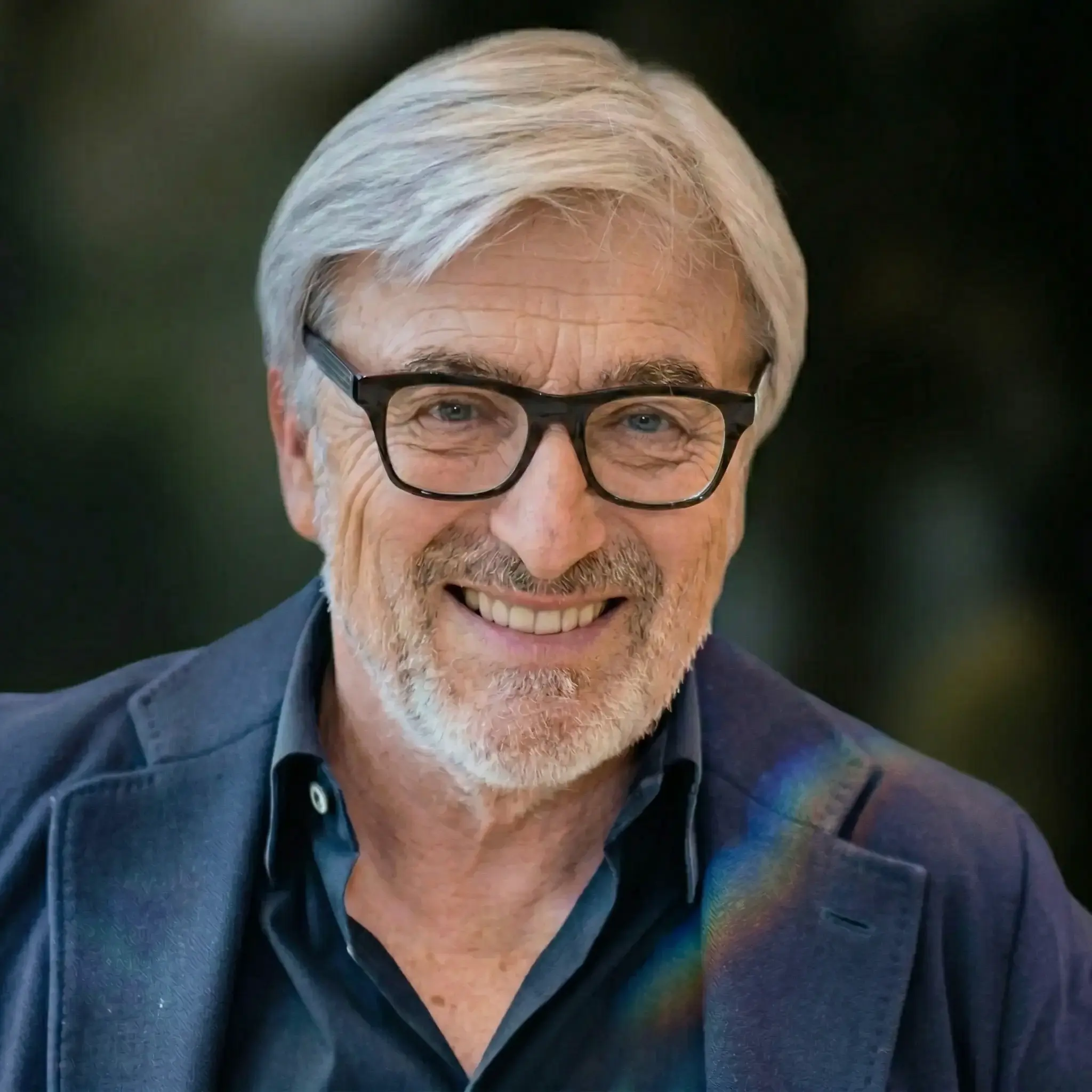
Alfred Koblinger, Dr.
Positioning, Branding, Communication

With "The Practice of Management" in 1954, Peter Drucker provided generations of executives with a new awareness as "managers" as well as strategies and tools for successfully "managing" companies. Over decades, universities churned out armies of ambitious management aspirants. In global corporations, these were shaped into interchangeable "management clones."
As early as the late 1970s, Harvard professor Abraham Zaleznik complained that this uniform management elite resulting from this development lacked leadership qualities. While practically every employee now titled themselves "manager," the claim to leadership was then underpinned for top management with leadership qualities. Self-confident, visionary leaders who set clear goals and inspired with a strong mission were celebrated in the business media. Since success was increasingly defined in terms of short-term rising shareholder value, the underlying problems and challenges of managing companies were repressed for a long time.
Command- and control-based hierarchical structures are running into problems and can no longer keep up with the speed and complexity of the challenges.
Globalization, digitalization, interrupted supply chains, environmental challenges, and last but not least, employees with new demands on work-life balance once again required special (new) management qualities. And a new understanding of leadership, which must be an integrative and essential part of management. The role profile of the visionary "leader" must give way to a claim to leadership through motivation for self-responsibility, trust in individual performance, and joint successes with employees. From Chief Executive Officer to Chief Empowerment Officer.
From unconditional Management by Objectives with purely quantitative goals that are often difficult to achieve, or only at the cost of long-term risk to the company, to Management by Means. With a vision that, in addition to economic goals, builds above all on purpose, self-responsibility, and trust of the employees. With a performance-oriented, self-learning corporate culture as the foundation for growth and increase of corporate value. A corporate culture that is no longer built on pressure and fear (of failure), but instead brings about a flow that promotes the enthusiasm and innovative power of the individual and is experienced by customers, creates decisive competitive advantages in increasingly anonymized customer relationships.
Because: Growth is not a goal, but a result.
We would be happy to show you successfully completed culture change processes. Simply contact us at
fred.koblinger@iqonic.at 0664-4018042 or arno.wohlfahrter@iqonic.at 0664-22012243